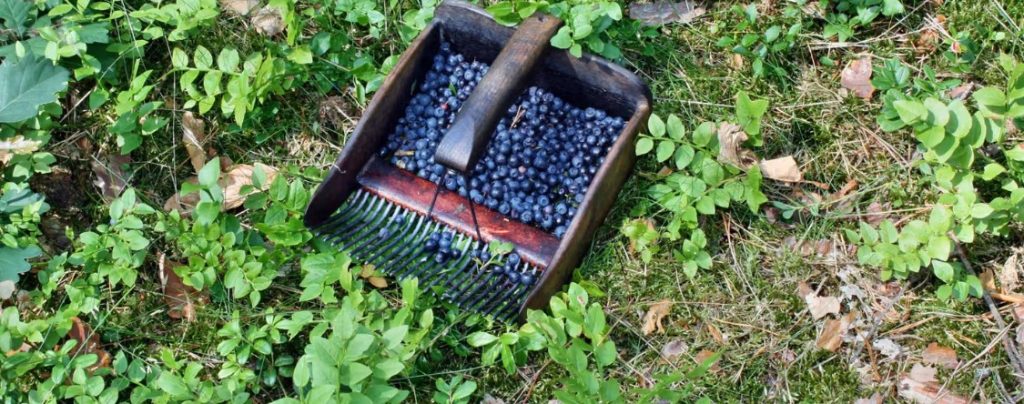
Background Both the Swedish and Finnish wild berry industries (blueberries, cranberries, etc.) are largely dependent on seasonal migrant workers from mainly Thailand to harvest berries from the forests. While picking berries is a good job opportunity for many, the industry is characterized by several challenges related to poor working conditions for berry pickers. Over the years, Swedish and Finnish media in particular have uncovered, among other things, non-payment of wages, poor living conditions, long working hours and cases of forced labor. One of the root causes of these challenges is that the workers themselves bear the costs associated with the employment process, such as travel, visas and administrative fees. For many, this means that they have to borrow money, which makes the workers extra vulnerable. What is Unil doing to improve the working conditions for berry pickers? Supplier evaluation and follow-up Unil has long been aware of the challenges in the berry industry, and wild-picked berries from Sweden and Finland have been identified as high-risk raw materials in Unil’s due diligence assessments. Relevant suppliers are followed up through close dialogue, supplier visits and assessment of, among other things, working conditions, contracts and wage payments. Through our purchasing partnership, United Nordic, we set clear requirements for suppliers of wild berries. In connection with regular tender processes, the supplier must show and document how they ensure decent working conditions and reduce the risks associated with their industry specifically. This makes it possible to choose partners who work systematically with improvements and are open about the challenges in the value chain. Participation in the Wild Berry Initiative Since 2024, Unil has participated in the “Wild Berry Initiative” (WBI) under the auspices of Ethical Trade Sweden, to learn more about the challenges in the berry industry (especially in Sweden), but primarily to contribute to improving the working conditions and conditions of berry pickers. The initiative brings together actors from the entire value chain to strengthen working conditions for migrant workers in the berry industry, and includes, among others, grocery players, suppliers, civil society, trade unions and authorities. A key measure identified by the working group is the introduction of the “Employer Pays Principle”, EPP.