That is why we set requirements for working conditions, human rights and how natural resources are used by the growers, producers and suppliers we work with.
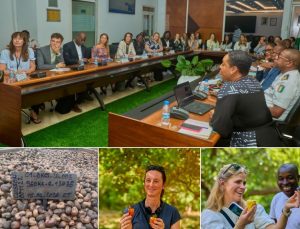
Together with suppliers and partners, we follow up, engage in dialogue and drive improvements where needed. We work systematically with sustainability certifications and develop our quality work on an ongoing basis.
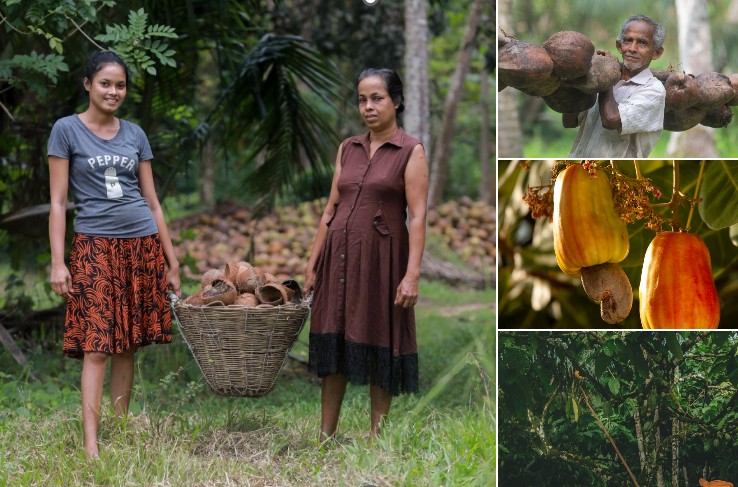
One example is the production of cashews, where there have been challenges linked to working conditions for a long time. Unlike a few years ago, there are now automatic peeling machines, which has reduced the manual and most dangerous work involved in handling the raw cashew nut. A step in the right direction!
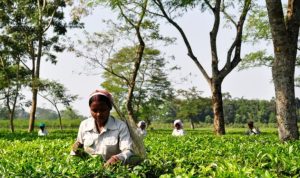
But the work is not just about follow-up and improvements at suppliers. We are also working to increase sales of Fairtrade Sverige -labelled goods, which are an important tool for strengthening fair trade, better working conditions and sustainable development for producers in low- and middle-income countries. That’s why we certify essential goods such as coffee, tea and cocoa.
For us, responsibility for food starts already where it is grown and produced. Dagab